Honolulu ( HON-ə-LOO-loo; Hawaiian: [honoˈlulu]) is the capital and most populous city of the U.S. state of Hawaii, located in the Pacific Ocean. It is the county seat of the consolidated City and County of Honolulu, situated along the southeast coast of the island of Oʻahu. The population of Honolulu was 350,964 at the 2020 census, dropping to an estimated 344,967 by 2024. The Urban Honolulu metropolitan area had an estimated population of just under 1 million residents in 2024 and is the 56th-largest metropolitan area in the nation. The area's geography and Honolulu Harbor have long made it desirable as a port, accounting for the city's growth and importance in the Hawaiian archipelago and the broader Pacific region. In 1845, Honolulu became the capital of the independent Hawaiian Kingdom, a role it maintained as Hawaii became a U.S. territory and then a U.S. State. The city gained worldwide recognition following the Empire of Japan's attack on nearby Pearl Harbor on December 7, 1941, which prompted the entry of the U.S. into World War II; the harbor remains a major U.S. Navy base, hosting the United States Pacific Fleet, the world's largest naval command. Honolulu is the westernmost and southernmost major U.S. city and state capital.
Bell Homestead National Historic Site
Alexander Graham Bell made the world's first long-distance telephone call from his father's homestead in Tutela Heights, just minutes from West Brant. The Bell Homestead National Historic Site preserves the farmhouse and coach house where Bell conducted his early telephone experiments in the 1870s. Open seasonally for tours.
Timeline
Notable People
Photos

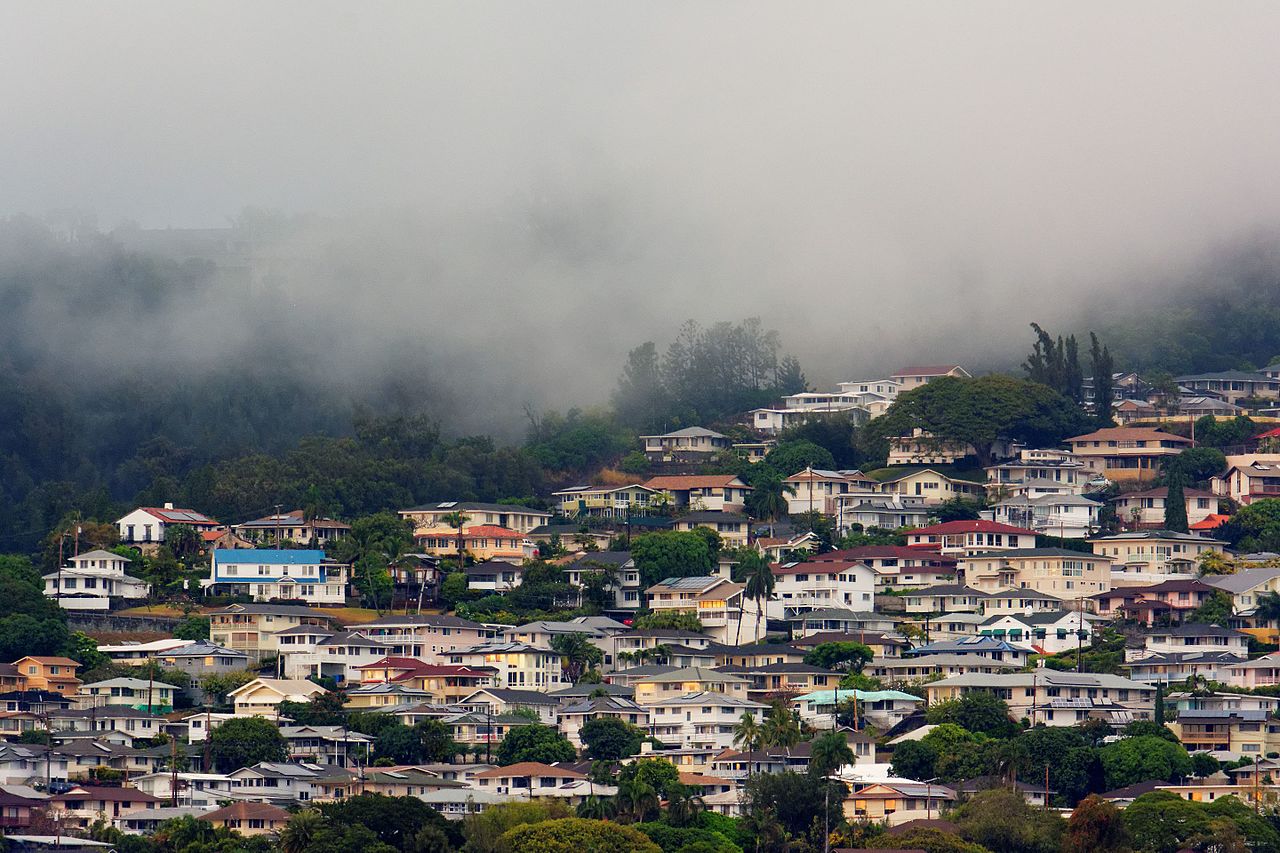


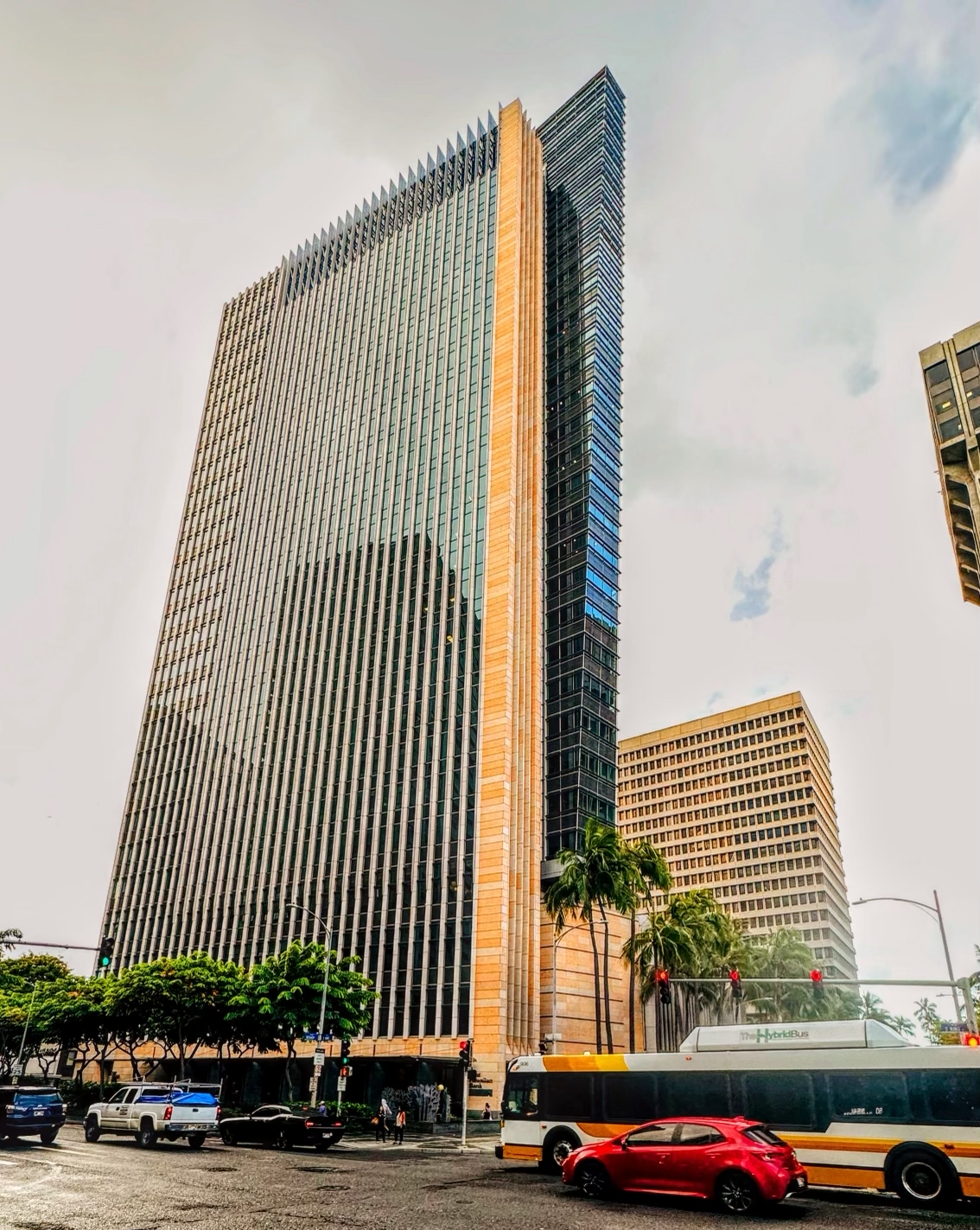
Full History
Evidence of the first settlement of Honolulu by the original Polynesian migrants to the archipelago comes from oral histories and artifacts. These indicate that there was a settlement where Honolulu now stands in the 11th century. After Kamehameha I conquered Oʻahu in the Battle of Nuuanu at Nuuanu Pali, he moved his royal court from the Island of Hawaiʻi to Waikiki in 1804. His court relocated in 1809 to what is now downtown Honolulu. The capital was moved back to Kailua-Kona in 1812. In November 1794, Captain William Brown of Great Britain was the first foreigner to sail into what is now Honolulu Harbor. More foreign ships followed, making the port of Honolulu a focal point for merchant ships traveling between North America and Asia. The settlement grew from a handful of homes to a city in the early 19th century after Kamehameha I chose it as a replacement for his residence at Waikiki in 1810. In 1845, Kamehameha III moved the permanent capital of the Hawaiian Kingdom from Lahaina on Maui to Honolulu. Despite the turbulent history of the late 19th century and early 20th century—such as the overthrow of the Hawaiian monarchy in 1893, Hawaii's annexation by the U.S. in 1898, a large fire in 1900, and the Japanese attack on Pearl Harbor in 1941—Honolulu remained the Hawaiian Islands' capital, largest city, and main airport and seaport. An economic and tourism boom following statehood brought rapid economic growth to Honolulu and Hawaii. Modern air travel brings, , 7.6 million visitors annually to the islands, with 62.3% entering at Honolulu International Airport. Today, Honolulu is a modern city with numerous high-rise buildings, and Waikiki is the center of the tourism industry in Hawaii, with thousands of hotel rooms.
Source: Wikipedia