Orillia () is a city in Ontario, Canada, about 30 km (18 mi) north-east of Barrie in Simcoe County. It is located at the confluence of Lake Couchiching and Lake Simcoe. Although it is geographically located within Simcoe County, the city is a single-tier municipality. It is part of the Huronia region of Central Ontario. The population in 2021 was 33,411. It was incorporated as a village in 1867, but the history of what is today the City of Orillia dates back at least several thousand years. Archaeologists have uncovered evidence of fishing by the Huron and Iroquois peoples in the area over 4,000 years ago, and of sites used by Aboriginal peoples for hundreds of years for trading, hunting, and fishing. Known as the "Sunshine City", the city's large waterfront attracts many tourists to the area every year, as do a number of annual festivals and other cultural attractions.
Timeline
Notable People
Photos



Full History
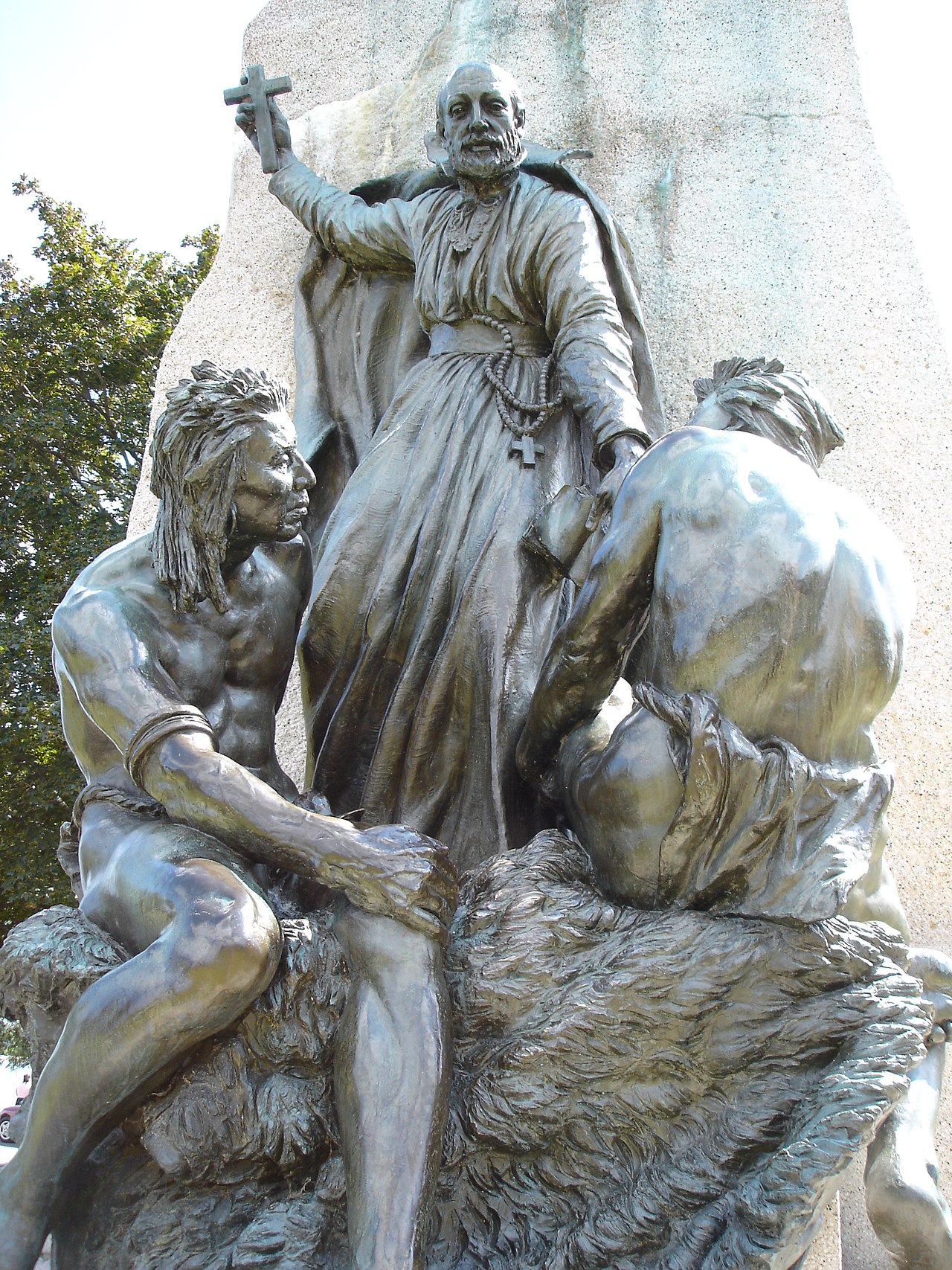
The human history of the area extends back several thousand years: in the "Narrows", a small waterway that connects Lake Couchiching and Lake Simcoe, there is marine archaeological evidence of ancient fishing weirs used by Huron and Iroquois people to trap fish over 4,000 years ago. Also, there are several archaeological sites in the surrounding area that provide evidence of trading, fishing, and hunting camps that were visited for hundreds of years by Indigenous people. The Mnjikaning Fish Weirs are believed to be the original source of the Name of Toronto; the weirs were known as ouentaronk by the Huron people and tkaronto by the Mohawk, and due to the site's importance as a site of trade between the indigenous peoples and the colonial French settlers, the name came to be transferred first to the Toronto Carrying-Place Trail river and portage route from the weirs to Lake Ontario, then to Fort Toronto near the route's end at Lake Ontario, and finally to the civilian settlement that grew around the fort. Although the site of what is now Orillia was originally a settlement of the Huron-Wendat people, it was later inhabited by the Ojibwe people, who settled the land under the leadership of Chief William Yellowhead. The Ojibwe people remained on the land until the arrival of European settlers. Also of historical note, the French explorer Samuel de Champlain visited the area that would later become Orillia in the summer of 1615, travelling over what would become the Coldwater Road centuries later; it was used by the Hurons, Ojibways, French, and British as a fur-trading route. Champlain spent the winter with the Hurons in their chief village of Cahiague (near the current Warminster). In 1840, the government bought additional land from the First Nations and laid out the settlement of Orillia. The population in 1846 was about 200. The settlement had a church, a post office, four stores, three taverns, a tannery, two blacksmiths, four shoemakers, a tailor, and two furniture makers. A grist mill could be found about a mile away. In 1869, the population was 1200. Construction of the Monck Road began in 1866 and was completed in 1873. A 100-mile stretch allowed for travel to Bancroft, Ontario where other roads could be found for travel to Ottawa. The village of Orillia was incorporated in 1867 (sharing the same birth year as Canada). By 1875, the population was 2,000 and Orillia became a town with a mayor, reeve, deputy reeve, and nine councillors. Orillia was designated a city in 1969. In Stephen Leacock's 1912 book Sunshine Sketches of a Little Town, Orillia was used as the basis for the fictional town known as "Mariposa", although Leacock stated that the fictional town could really be any town. The book was based on Leacock's experiences in the town and since the book's release, the city has attempted to mimic the fictional location in as many ways as possible. The Leacock Museum and National Historic Site, located in Orillia, is one of the National Historic Sites of Canada. William E. Bell's 1989 novel Five Days of the Ghost was also set in Orillia, with many readers recognizing popular local spots, including the Guardian Angels Catholic Church, the Samuel de Champlain statue in Couchiching Beach Park as well as Chiefs Island in the middle of Lake Couchiching. Orillia was the first municipality in North America to introduce daylight saving time and had the first municipal hydroelectric transmission plant in North America. The first recorded use of the name to describe the region, which until then had no officially sanctioned designation, was in 1820 when the name was given in York, Upper Canada by then Lieutenant-Governor Sir Peregrine Maitland. Maitland was a veteran of the British campaign against the French in Spain, called the Peninsular War, during the Napoleonic Wars where he served under the command of the Duke of Wellington. While there are no records clearly indicating the reason for the name Orillia, the most common explanation holds that the name originates in the Spanish, "orilla," which can mean the shore of either a lake or river. The Spanish pronunciation sounds much like, "oreeya," and since the word itself is spelled almost identically to Orillia, without the second, "i," it has come to be commonly accepted as the source word for the city's name. Further backing the theory of a Spanish origin are the names of surrounding communities and landmarks, which include Oro for gold, Mariposa for butterfly, and Mono for monkey. Historical documents contain a second spelling of the name which was never officially recognised, Aurelia, which when pronounced sounds similar to the name and is considered a clerical error.
Source: Wikipedia