York is a cathedral city in North Yorkshire, England, with Roman origins, sited at the confluence of the rivers Ouse and Foss. It has many historic buildings and other structures, including the minster, castle and city walls, all of which are Grade I listed. It is the traditional county town of Yorkshire, and the administrative centre of the City of York district. It is located 27 miles (43 km) north-east of Leeds, 90 miles (140 km) south of Newcastle upon Tyne and 207 miles (333 km) north of London. York's built-up area had a recorded population of 141,685 at the 2021 census. The city was founded under the name of Eboracum in AD 71. It then became the capital of Britannia Inferior, a province of the Roman Empire, and was later the capital of the kingdoms of Deira, Northumbria, and Scandinavian York. In the Middle Ages it became the northern England ecclesiastical province's centre, and grew as a wool-trading centre.
Bell Homestead National Historic Site
Alexander Graham Bell made the world's first long-distance telephone call from his father's homestead in Tutela Heights, just minutes from West Brant. The Bell Homestead National Historic Site preserves the farmhouse and coach house where Bell conducted his early telephone experiments in the 1870s. Open seasonally for tours.
Timeline
Photos


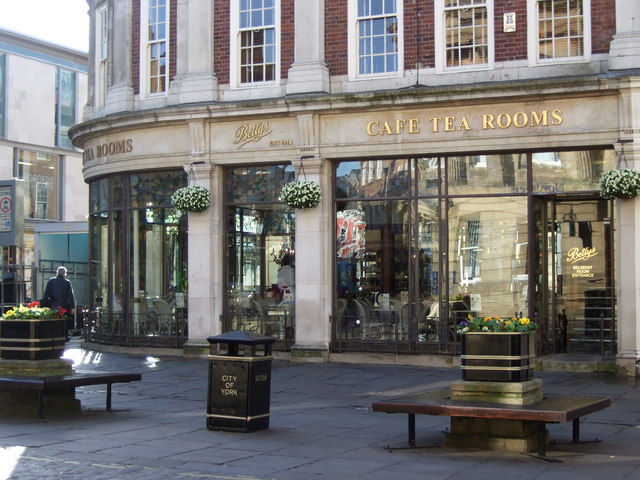
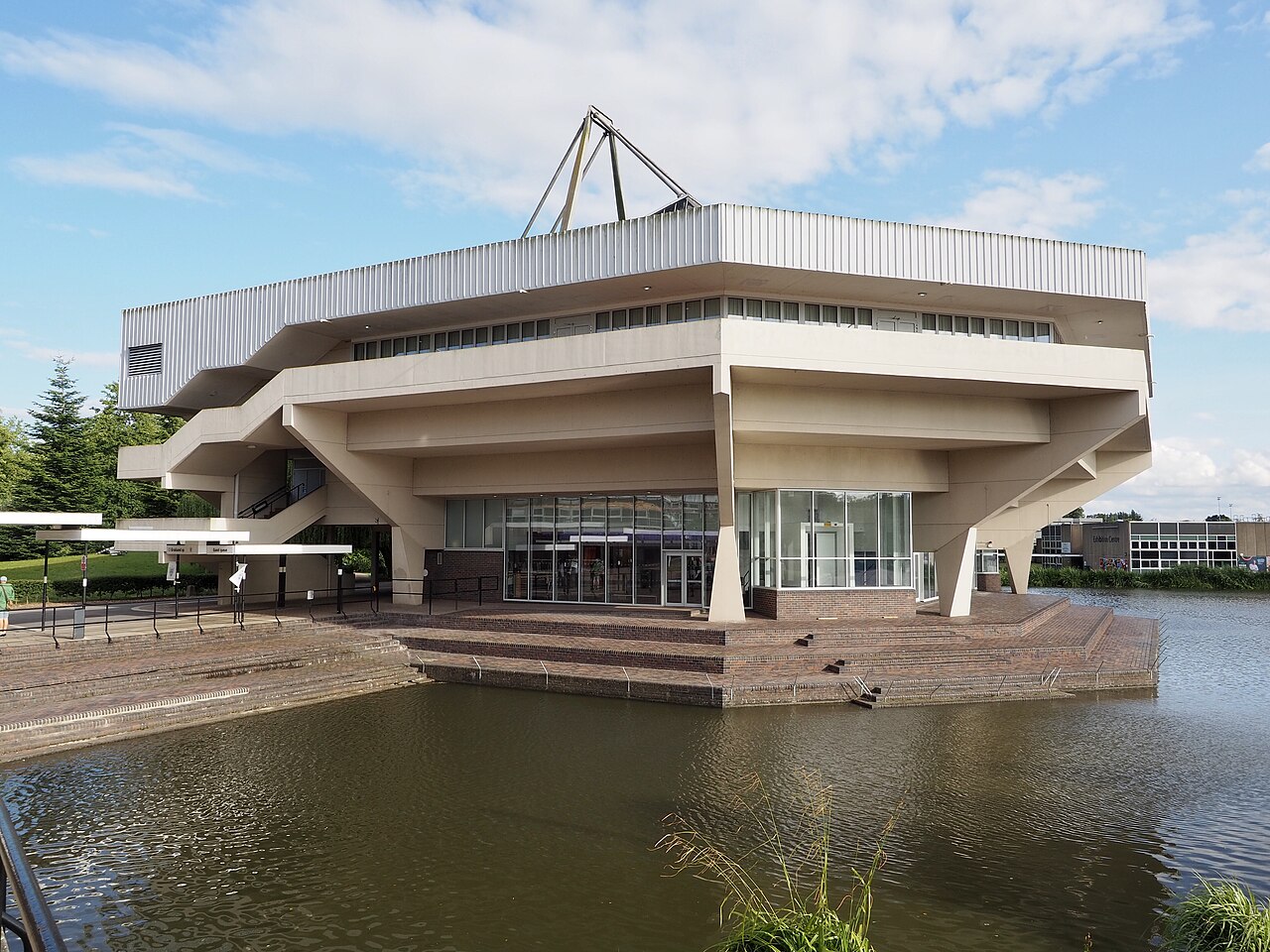
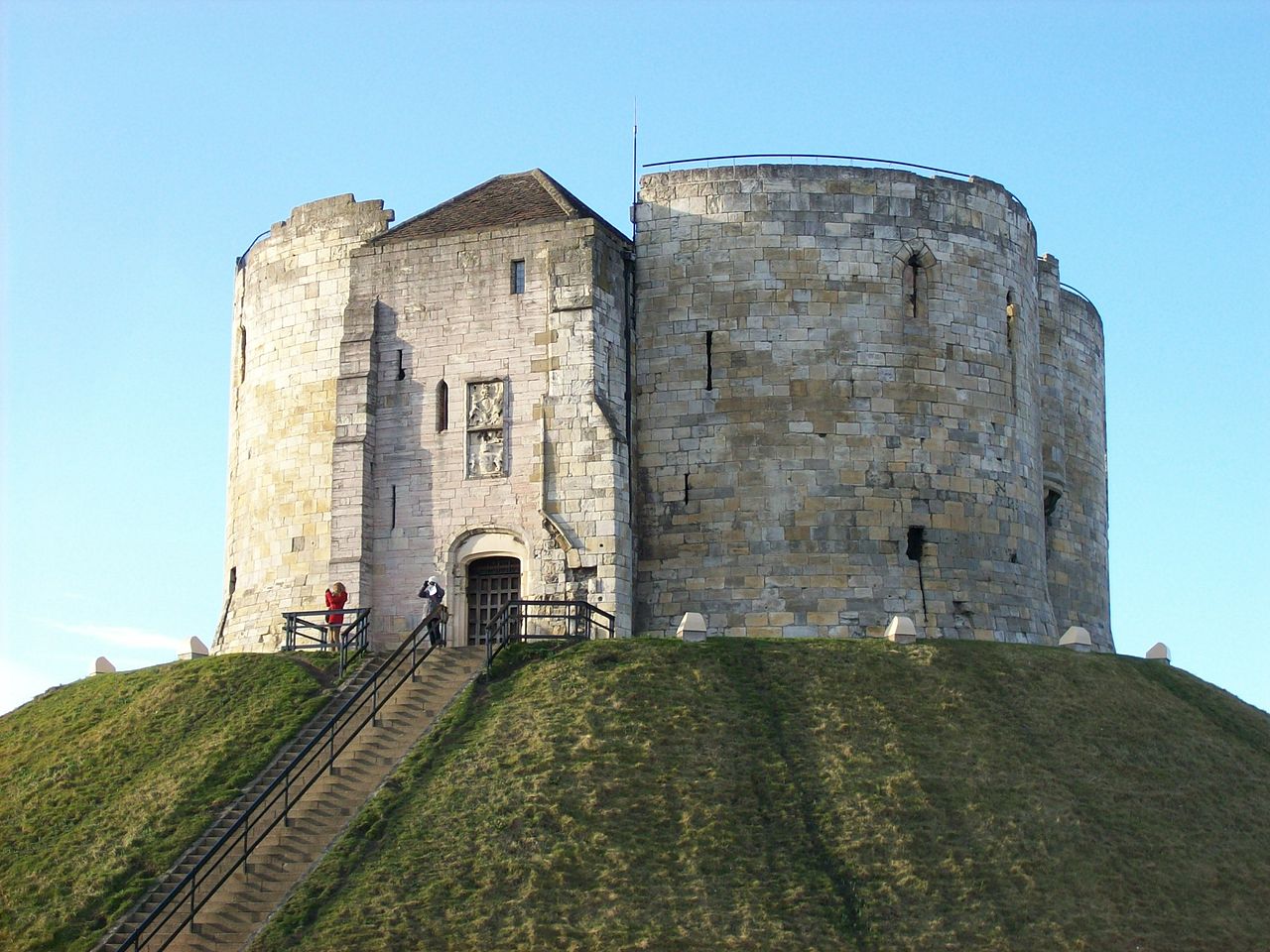

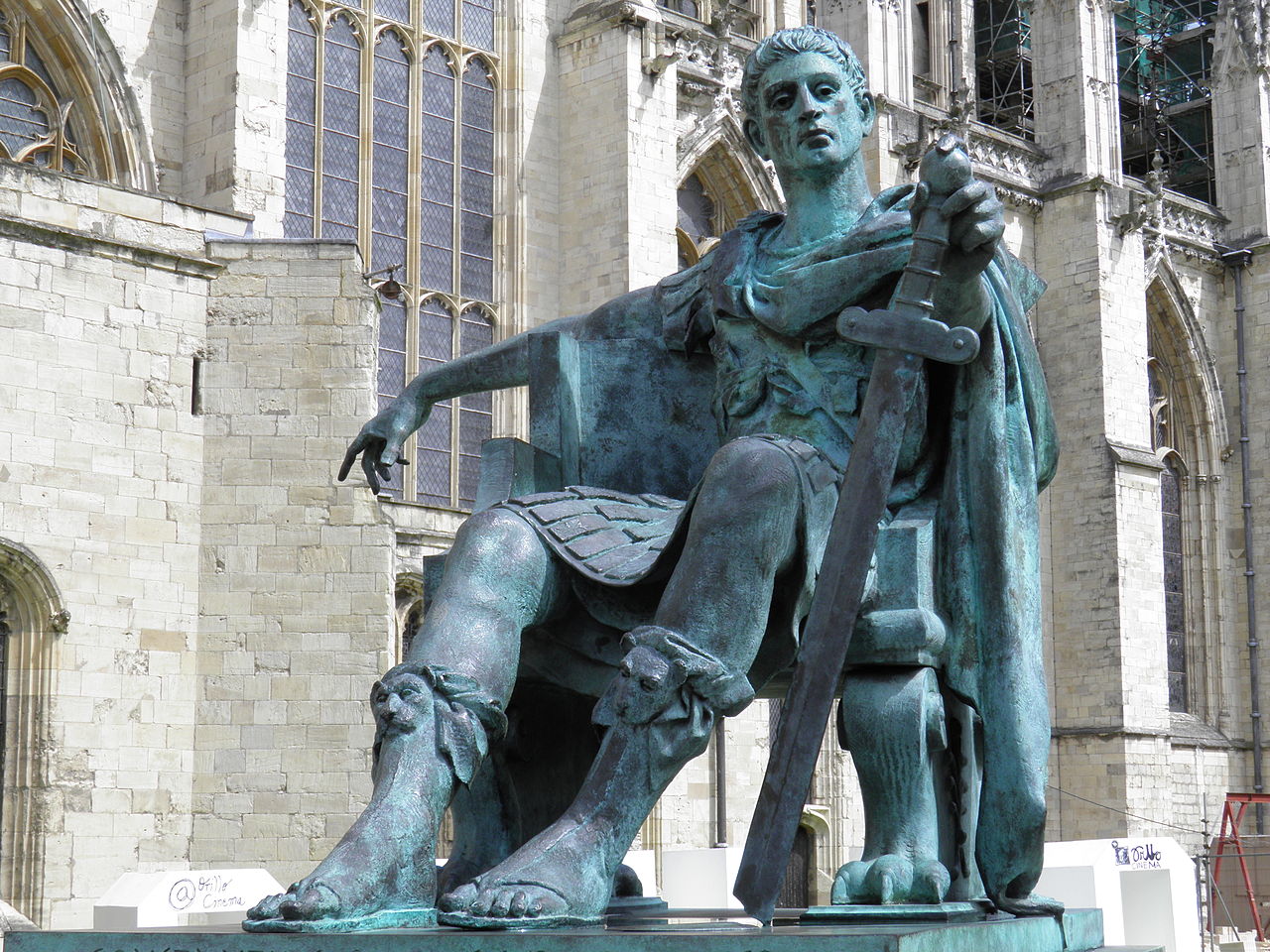
Full History
. Archaeological evidence suggests that Mesolithic people settled in the region of York between 8000 and 7000 BC, although it is not known whether their settlements were permanent or temporary. By the time of the Roman conquest of Britain, the area was occupied by a tribe known to the Romans as the Brigantes. The Brigantian tribal area initially became a Roman client state, but later its leaders became more hostile and the Roman Ninth Legion was sent north of the Humber into Brigantian territory. The city was founded in AD 71, when the Ninth Legion conquered the Brigantes and constructed a wooden military fortress on flat ground above the river Ouse, close to its confluence with the river Foss. The fortress, whose walls were rebuilt in stone by the VI legion based there subsequent to the IX legion, covered an area of and was inhabited by 6,000 legionary soldiers. The site of the principia (headquarters) of the fortress lies under the foundations of York Minster, and excavations in the undercroft have revealed part of the Roman structure and columns. In AD 314 a bishop from York attended the Council at Arles to represent Christians from the province. While the Roman colonia and fortress were on high ground, by AD 400 the town was victim to occasional flooding from the rivers Ouse and Foss, and the population reduced. York declined in the post-Roman era, and was taken and settled by the Angles in the 5th century. Reclamation of parts of the town was initiated in the 7th century under King Edwin of Northumbria, and York became his chief city. The first wooden minster church was built in York for the baptism of Edwin in 627, according to the Venerable Bede. Edwin ordered the small wooden church be rebuilt in stone; however, he was killed in 633, and the task of completing the stone minster fell to his successor Oswald. In 866, Northumbria was in the midst of internecine struggles when the Vikings raided and captured York. As a prosperous economic centre, York was a target for the Vikings. Led by Ivar the Boneless and Halfdan, Scandinavian forces (referred to by the Anglo-Saxons as the "Great Heathen Army") attacked the town on All Saints' Day. Launching the assault on a holy day proved an effective tactical move – most of York's leaders were in the cathedral, leaving the town vulnerable to attack and unprepared for battle. After it was conquered, the city was renamed from the Old English Eoforwic to Jorvik. It became the capital of Viking territory in Britain, and at its peak had more than 10,000 inhabitants. This was a population second only to London within Great Britain. Jorvik proved an important economic and trade centre for the Vikings. Norse coinage was created at the Jorvik mint, while archaeologists have found evidence of a variety of craft workshops around the town's central Coppergate area. These demonstrate that textile production, metalwork, carving, glasswork and jewellery-making were all practised in Jorvik. Materials from as far afield as the Persian Gulf have also been discovered, suggesting that the town was part of an international trading network. Under Viking rule the city became a major river port, part of the extensive Viking trading routes throughout northern Europe. The last ruler of an independent Jórvík, Eric Bloodaxe, was driven from the city in AD 954 by King Eadred in his successful attempt to complete the unification of England. In 1068, two years after the Norman invasion of England, the people of York rebelled. Initially they succeeded, but upon the arrival of William the Conqueror the rebellion was suppressed. William, at once, built a wooden fortress on a motte. In 1069, after another rebellion, the king built another timbered castle across the River Ouse. These were destroyed in 1069 and rebuilt by William about the time of his ravaging Northumbria in what is called the "Harrying of the North" where he destroyed everything from York to Durham. The remains of the rebuilt castles, now in stone, are visible on either side of the River Ouse. The first stone minster church was badly damaged by fire in the uprising, and the Normans built a minster on a new site. Around the year 1080, Archbishop Thomas started building the cathedral that in time became the current Minster. As York began to recover and rebuild following the Norman invasion, it slowly reemerged as an administrative and religious hub in the region. In 1190, York Castle was the site of an infamous massacre of its Jewish inhabitants, in which at least 150 people were murdered, although some authorities put the figure as high as 500. The city, through its location on the River Ouse and its proximity to the Great North Road, became a major trading centre. King John granted the city's first charter in 1212, confirming trading rights in England and Europe. During the later Middle Ages, York merchants imported wine from France, cloth, wax, canvas, and oats from the Low Countries, timber and furs from the Baltic and exported grain to Gascony and grain and wool to the Low Countries. York became a major cloth-manufacturing and trading centre. Edward I further stimulated the city's economy by using the city as a base for his war in Scotland. The city was the location of significant unrest during the so-called Peasants' Revolt in 1381. The city acquired an increasing degree of autonomy from central government, including the privileges granted by a charter of Richard II in 1396. The city underwent a period of economic decline during the Tudor period. Under King Henry VIII the Dissolution of the monasteries saw the end of York's many monastic houses, including several orders of friars, the hospitals of St Nicholas and of St Leonard, the largest such institution in the north of England. This led to the Pilgrimage of Grace, an uprising of northern Catholics in Yorkshire and Lincolnshire opposed to religious reform. Henry VIII restored his authority by establishing the Council of the North in York in the dissolved St Mary's Abbey. The city became a trading and service centre during this period. In 1541 Henry VIII and Catherine Howard visited the city of York on their royal tour. The royal party would have been met outside the walls by civic dignitaries before formally entering the city. The civic dignitary would have been the Lord Mayor of York, who at the time of their arrival on 15 September 1541 He owned the residential property at 74 Low Petergate. Following a special service held in their honour at York minster, Henry and Catherine rode from the minster down to Petergate, one of the five gateways, and over to the closed Benedictine abbey of St. Mary which had been converted into a palace for the King to stay in while he visited York on his Royal Tour. Anne of Denmark came to York with her children Prince Henry and Princess Elizabeth on 11 June 1603. The Mayor gave her a tour and offered her spiced wine, but she preferred beer. Guy Fawkes, who was born and educated in York, was a member of a group of Roman Catholic restorationists that planned the Gunpowder Plot. Its aim was to displace Protestant rule by blowing up the Houses of Parliament while King James I, the entire Protestant, and even most of the Catholic aristocracy and nobility were inside. In 1644, during the English Civil War, the Parliamentarians besieged York, and many medieval houses outside the city walls were lost. The barbican at Walmgate Bar was undermined and explosives laid, but the plot was discovered. On the arrival of Prince Rupert, with an army of 15,000 men, the siege was lifted. The Parliamentarians retreated some from York with Rupert in pursuit, before turning on his army and soundly defeating it at the Battle of Marston Moor. Of Rupert's 15,000 troops, 4,000 were killed and 1,500 captured. The railway promoter George Hudson was responsible for bringing the railway to York in 1839.
Source: Wikipedia